


Have you ever been in the middle of a peaceful moment, maybe sipping your morning coffee or drifting off to sleep, when suddenly an unwelcome thought crashes in like an uninvited guest? Those nagging, persistent ideas that loop endlessly, stirring up doubt, shame, or fear— they can feel overwhelming and isolating. If you’re seeking ways to navigate this, let’s explore coping with intrusive thoughts from a biblical perspective. It’s a journey I’ve walked myself, discovering how God’s Word offers not just comfort, but real strategies to reclaim mental clarity and rest in His truth.
P.S. to receive these blogs straight to your email along with tips for anxiety, come join our cozy Substack community. It’s completely free and takes just a moment to subscribe here.
Understanding Intrusive Thoughts Through Scripture’s Lens
Intrusive thoughts aren’t a modern invention; they’re part of the human experience, often amplified by stress, past experiences, or spiritual battles. From a faith standpoint, they can feel like arrows aimed at our peace, but the Bible equips us to handle them with grace and authority. Rather than ignoring or suppressing these mental interruptions, Scripture invites us to confront them head-on, transforming them into opportunities for growth.
Consider the Apostle Paul in Romans 7:15-25, where he candidly shares his inner conflict: “For I do not do what I want, but I do the very thing I hate.” This passage reveals a war within; the pull between our renewed spirit and lingering fleshly tendencies. Paul doesn’t sugarcoat it; he acknowledges the struggle but points to deliverance through Jesus Christ. It’s reassuring to know that even giants of faith dealt with unwanted mental tug-of-wars, reminding us we’re not alone or defective.
2 Corinthians 10:5 provides a key weapon: “We demolish arguments and every pretension that sets itself up against the knowledge of God, and we take captive every thought to make it obedient to Christ.” This verse isn’t about brute force but about intentional alignment, capturing rogue ideas and measuring them against Christ’s truth. It’s a call to active engagement, turning passive victims of our minds into empowered stewards.
The Roots of Unwanted Mental Intrusions
To effectively address these persistent notions, it’s helpful to understand their origins. They might stem from unresolved hurts, habitual patterns, or even external influences like media overload. In my own life, I noticed certain triggers (late-night scrolling or unresolved conversations) that invited a flood of unhelpful ruminations.
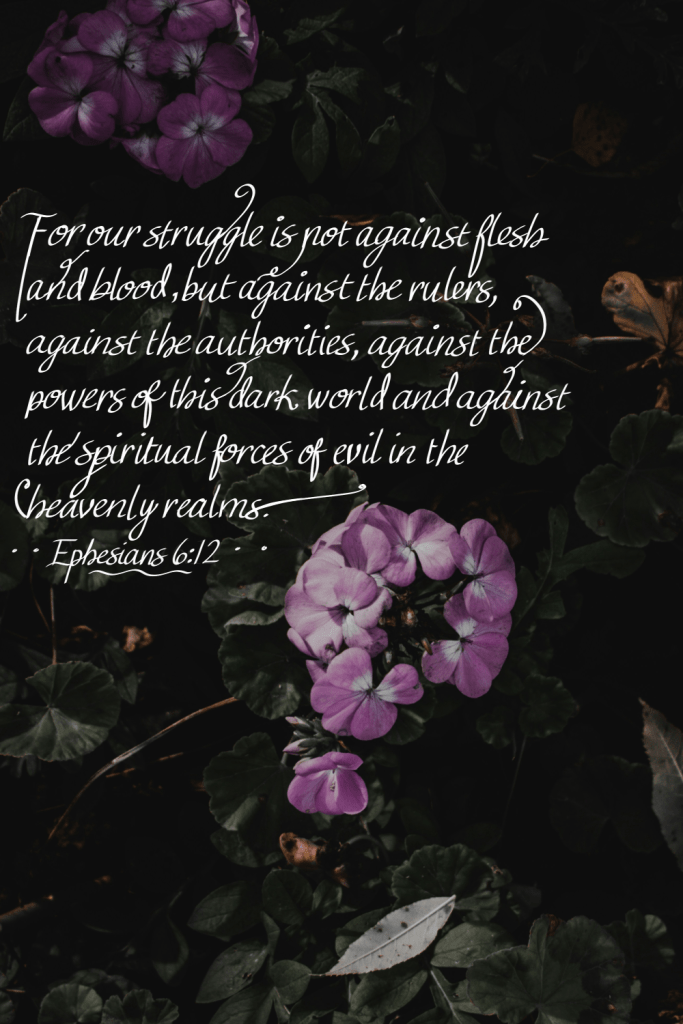
Biblically, Ephesians 6:12 frames this as a spiritual reality: “For our struggle is not against flesh and blood, but against the rulers, against the authorities, against the powers of this dark world and against the spiritual forces of evil in the heavenly realms.” Not every thought is demonic, but recognizing potential spiritual warfare encourages us to suit up with the armor of God, including the helmet of salvation to protect our minds.
These insights shift our approach from self-blame to compassionate action. Instead of wondering “What’s wrong with me?”, we ask “How can I respond in faith?” This perspective fosters hope, knowing God provides tools for victory.
Strategies for Coping with Intrusive Thoughts from a Biblical Perspective
God’s Word isn’t silent on mental battles; it offers a toolkit for renewal. Let’s delve into practical ways to apply biblical principles, blending reflection with actionable steps to quiet the mental noise.
Renew Your Mind Daily
Romans 12:2 urges, “Do not conform to the pattern of this world, but be transformed by the renewing of your mind. Then you will be able to test and approve what God’s will is. His good, pleasing and perfect will.” Renewal isn’t passive; it’s an ongoing process of replacing lies with truth.
A simple exercise: Create a “truth card” deck. Write down common intrusive ideas on one side (e.g., “I’m not enough”) and counter them with Scripture on the other (e.g., “I am fearfully and wonderfully made” from Psalm 139:14). When a thought arises, pull a card and meditate on it for five minutes. This habit, drawn from biblical meditation, rewires neural pathways over time.
Practice Thought Captivity
Building on 2 Corinthians 10:5, develop a capture routine. When an unwanted idea surfaces, pause and ask: “Does this align with God’s knowledge?” If not, verbally renounce it and replace it with a affirming declaration.
For deeper work, try a guided reflection: Set aside 10 minutes daily. Sit quietly, invite the Holy Spirit, and note any recurring thoughts without judgment. Then, prayerfully surrender them, visualizing handing them to Jesus. This fosters awareness and release, much like David’s psalms where he pours out complaints before affirming trust.
Engage Your Senses in Worship
Sometimes, mental loops need interruption through physical engagement. Put on worship music, light a candle, or step outside to connect with creation. These acts redirect focus from internal chaos to external reminders of God’s goodness.

Seek Wise Counsel and Community
Isolation breeds intensity for these thoughts; sharing lightens the load. Proverbs 11:14 notes, “Where there is no guidance, a people falls, but in an abundance of counselors there is safety.” Confide in a trusted mentor or join a faith-based support group.
A practical tip: Schedule a “thought check-in” with a friend weekly. Share one persistent idea and pray together, claiming Ephesians 6 over your minds. This builds accountability and reminds you of the body’s role in healing.
Biblical Examples of Overcoming Mental Battles
Scripture is rich with stories of individuals who faced inner turmoil and emerged victorious through faith. Take Elijah in 1 Kings 19: After a mountaintop victory, he flees in despair, overwhelmed by threats and isolation. God doesn’t rebuke him but provides rest, nourishment, and a still small voice. This narrative shows that mental exhaustion can invite dark thoughts, but God’s response is tender restoration.
Or consider Job, bombarded by suffering and accusatory friends, yet he clings to hope: “Though he slay me, yet will I hope in him” (Job 13:15). His story illustrates holding onto truth amid mental onslaughts, ultimately leading to deeper intimacy with God.
These examples aren’t distant tales; they’re blueprints for us. They encourage perseverance, knowing that trials refine our faith and thoughts.
Building Long-Term Resilience
Coping isn’t just about immediate relief; it’s cultivating habits that fortify your mind over time. Incorporate daily Scripture immersion. Perhaps memorizing verses like Romans 12:2 to recite during vulnerable moments.
Mind your inputs: Curate media that uplifts rather than agitates. Balance rest and activity, as Elijah’s story highlights physical care’s role in mental health.
If thoughts feel unmanageable, blending faith with professional help honors God’s design. A Christian therapist can offer tools aligned with biblical wisdom.
For more resources on finding calm through faith, I recommend my post on faith-based reads for mental peace— explore it here.
A Gentle Reminder of God’s Grace
Beloved, if intrusive thoughts have you weary, remember: Your mind is a battlefield, but the victory is already won in Christ. Coping with intrusive thoughts from a biblical perspective means leaning into His strength, not mustering your own. Be kind to yourself in the process; progress comes in waves, and God’s patience is endless.
As you implement these steps, may you experience the mind of Christ, full of peace and purpose. You’re cherished, equipped, and never alone in this.
Sources
How to Take Every Thought Captive
Dealing with Intrusive Thoughts
About The Author
Selah is a Christian lifestyle blogger and artist passionate about offering Christian anxiety help through Bible verses and prayer. Through gentle devotionals, practical faith tips, and cozy reflections, she helps women trade worry for peace by resting in God’s promises and presence.
✦ Make sure to follow my socials! → https://linktr.ee/selahshalom
✦ Shop devotional art and prints here → https://fernofthevalley.com





 Fern Of The Valley
Leave a comment