

Have you ever found yourself in the quiet hours of the night, heart racing over tomorrow’s uncertainties, and wondered if your anxiety points to a faltering faith? As someone who’s walked through seasons where worry felt like a constant shadow, I know that nagging question all too well: Is anxiety a symptom of weak faith or something deeper? It’s a thought that can add guilt to an already heavy load, making us feel like we’re somehow failing in our walk with God. But let’s pause here and breathe, because the truth is far more compassionate and layered than that simple either-or.
P.S. to receive these blogs straight to your email along with tips for anxiety, come join our cozy Substack community. It’s completely free and takes just a moment to subscribe here.
Understanding Anxiety Through a Biblical Lens
Anxiety doesn’t discriminate. It creeps into the lives of believers and non-believers alike, often triggered by life’s pressures like financial strains, relationship tensions, or global unrest. But for Christians, it can feel especially conflicting. We read verses about peace that surpasses understanding, yet our minds whirl with “what ifs.” So, let’s gently unpack this: Is anxiety a symptom of weak faith or something deeper? From my own reflections and time in Scripture, I’ve come to see it as a human response that invites us deeper into God’s grace, not a mark against our devotion.
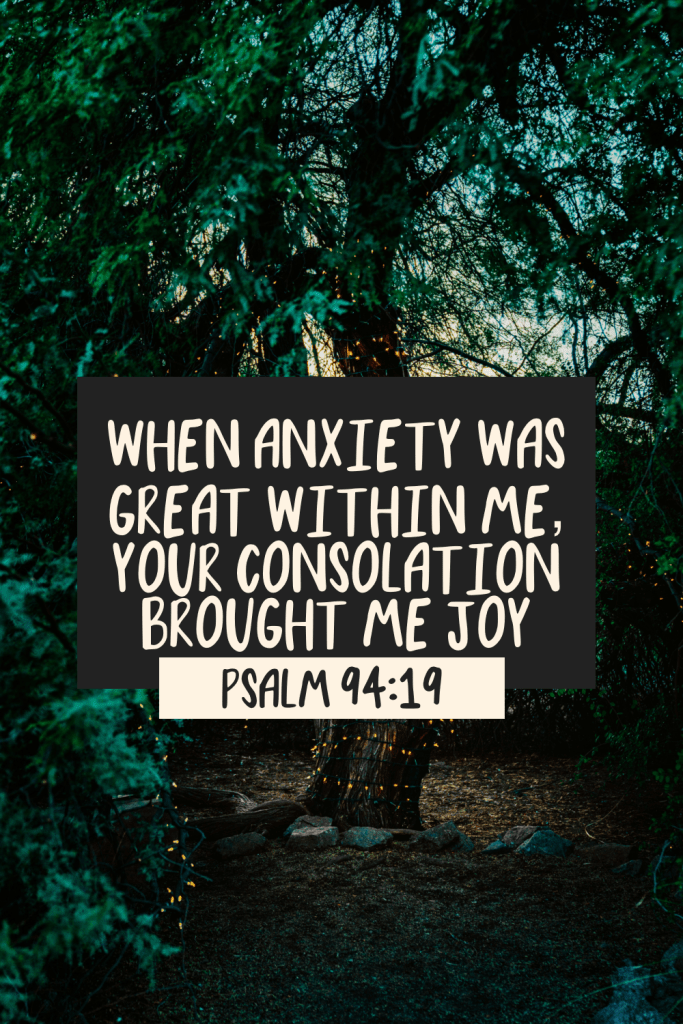
Think about the heroes of the Bible; they weren’t immune to fear or distress. Take David, for instance, a man after God’s own heart. In the Psalms, he pours out raw emotions that sound a lot like modern-day anxiety. Psalm 94:19 captures this beautifully: “When anxiety was great within me, your consolation brought me joy.” Here, David acknowledges the weight of his inner turmoil but points to God’s comfort as the antidote. It’s not a dismissal of his feelings but an honest admission that leads to divine relief.
This verse reminds us that anxiety isn’t inherently a faith failure. Instead, it’s part of our earthly experience, a signal that we’re carrying burdens we weren’t designed to shoulder alone. God meets us there, not with judgment, but with consolation that renews our joy. If even David, with his profound trust in the Lord, wrestled with great anxiety, perhaps it’s less about weak faith and more about our need to lean harder into His strength.
The Roots of Anxiety: Beyond Spiritual Shortcomings
When we ask if anxiety is a symptom of weak faith or something deeper, it’s helpful to consider the multifaceted nature of our being. We’re not just spiritual creatures; we’re physical, emotional, and relational too. Anxiety can stem from biological factors like hormone imbalances or past traumas that shape how our brains respond to stress. It might arise from unprocessed grief, overwhelming circumstances, or even the fast-paced demands of daily life that leave little room for rest.
In my own journey, I once thought my anxious thoughts meant I wasn’t praying enough or trusting God fully. But as I dug deeper, with the help of wise counsel and honest self-reflection— I realized they were tied to unresolved hurts from my past and the pressure I put on myself to “have it all together.” This revelation was freeing; it shifted my focus from self-blame to seeking holistic healing.
Scripture supports this layered view. Consider Elijah in 1 Kings 19, after his triumphant showdown on Mount Carmel. Exhausted and fleeing for his life, he collapses under a broom tree, wishing for death, a picture of deep despair and anxiety. God doesn’t rebuke him for lack of faith; instead, He provides rest, food, and a gentle whisper. This story shows us that anxiety can be intertwined with physical depletion and emotional overload, and God’s response is tender care, not condemnation.
By recognizing these roots, we open the door to grace-filled growth. It’s okay to acknowledge that anxiety might signal something deeper, like the need for better boundaries, professional support, or simply more time in quiet communion with the Lord.
Practical Steps to Address Anxiety with Faith
Knowing that anxiety isn’t just a faith issue doesn’t mean we ignore our spiritual tools. Far from it. Integrating faith with practical actions can create a powerful pathway to peace. Here are some gentle, actionable steps I’ve found transformative, drawn from both Scripture and everyday wisdom.
Start with Honest Prayer
Begin by bringing your anxieties directly to God, without filtering or prettifying them. Philippians 4:6-7 encourages us: “Do not be anxious about anything, but in every situation, by prayer and petition, with thanksgiving, present your requests to God. And the peace of God, which transcends all understanding, will guard your hearts and your minds in Christ Jesus.”
Try this reflection exercise: Set aside 10 minutes each morning. Write down three specific worries on a piece of paper. Then, beside each one, jot a prayer handing it over to God, followed by something you’re thankful for. This simple act shifts your mindset from fixation to surrender, inviting that transcendent peace to settle in.
Cultivate Mindful Rest
In our hustle-driven world, rest feels counterintuitive, but it’s biblical. Jesus often withdrew to quiet places to recharge (Luke 5:16). Create a “rest ritual” in your day— perhaps a short walk in nature, listening to worship music, or savoring a warm cup of tea without distractions.
One tip that’s helped me: Designate a “worry window.” For 15 minutes in the evening, allow yourself to think through concerns, but then close the window with a prayer of release. This boundaries your anxiety, preventing it from spilling into every moment.
Seek Community and Support
Isolation amplifies anxiety, while connection diffuses it. Share your struggles with a trusted friend or mentor who can pray with you and offer perspective. If anxiety feels overwhelming, consider a Christian counselor who blends faith with therapeutic insights, they can help uncover those deeper roots.
For additional resources, I’ve curated a list of journals and devotionals focused on Bible verses for anxiety relief. These tools have been lifelines for me, providing guided spaces to reflect and pray. Check out my favorites here. They’re perfect for weaving Scripture into your daily routine.

Reflections on Faith and Anxiety: Growing Through the Tension
As we navigate anxiety, it’s easy to fall into the trap of measuring our faith by how calm we feel. But true faith isn’t the absence of fear; it’s choosing to trust God amid the storm. Remember Peter’s walk on water in Matthew 14; He stepped out in bold faith, yet sank when doubt crept in. Jesus didn’t leave him to drown; He reached out immediately, saying, “You of little faith, why did you doubt?” Yet, even in that moment, Peter’s “little faith” was enough for a miracle.
This encourages me: Our faith doesn’t have to be unshakeable to be real. Anxiety might highlight areas where we need to grow, but it doesn’t define our spiritual standing. Instead, it can become a catalyst for deeper intimacy with God, as we learn to depend on Him more fully.
Take time for this personal reflection: Journal about a time when anxiety felt like a faith failure. What deeper factors might have been at play? How did God show up in that season? Revisiting these stories often reveals patterns of His faithfulness, building resilience for future challenges.
If you’re looking for more structured guidance, I recently shared a cozy Bible study on worry and anxiety that dives into similar themes. It’s designed for those turbulent times when rest feels elusive, you can read it here.
Embracing Grace in the Midst of Anxiety
Grace is the thread that weaves through every aspect of this conversation. God doesn’t expect us to conquer anxiety through sheer willpower or flawless faith. He invites us to come as we are: weary, worried, and wondering. In those vulnerable spaces, His strength shines brightest.
I’ve learned that addressing anxiety holistically— spiritually, emotionally, and practically, honors the way God created us. It’s not about eradicating every anxious thought but about learning to respond to them with truth and trust. Over time, this practice doesn’t just manage symptoms; it transforms our hearts, drawing us closer to the One who holds tomorrow.
If today finds you questioning your faith amid anxiety, know this: You’re not alone, and it’s not a sign of weakness. It’s an opportunity to explore something deeper, to let God mend the hidden places and fill you with His unshakeable peace.
Sources
What Does the Bible Say About Anxiety?
Christian Perspectives on Anxiety
About The Author
Selah is a Christian lifestyle blogger and artist passionate about offering Christian anxiety help through Bible verses and prayer. Through gentle devotionals, practical faith tips, and cozy reflections, she helps women trade worry for peace by resting in God’s promises and presence.
✦ Make sure to follow my socials! → https://linktr.ee/selahshalom
✦ Shop devotional art and prints here → https://fernofthevalley.com/shop/



 Fern Of The Valley
Leave a comment